Mammoth Biosciences Uses AI to Engineer CRISPR Proteins
Biotech firm Mammoth Biosciences is using AI to search 34 billion proteins and design novel CRISPR systems, aiming to permanently cure genetic diseases within a decade.
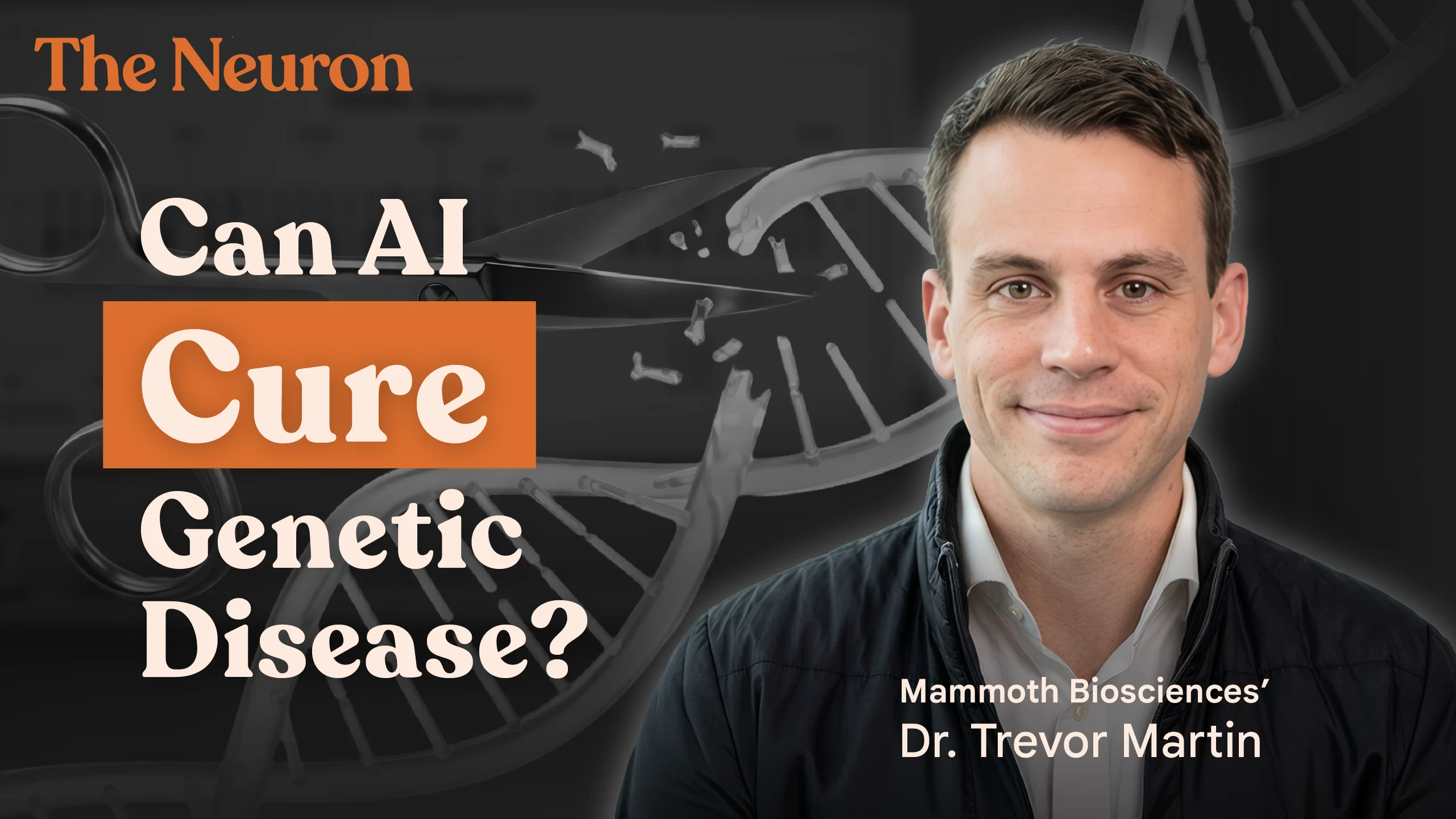
Mammoth Biosciences, a biotechnology company co-founded by Dr. Trevor Martin and Nobel laureate Jennifer Doudna, is utilizing artificial intelligence to revolutionize gene editing. The company is deploying machine learning models to search a massive database of approximately 34 billion proteins. By analyzing this vast molecular library, Mammoth aims to engineer smaller, more efficient CRISPR systems and generate entirely new, synthetic protein designs.
The integration of AI represents a transition from discovering natural proteins to generating entirely new ones. Instead of tweaking existing structures, Mammoth feeds massive sequence databases into AI models to propose novel CAS-like proteins. This generative approach is crucial for overcoming delivery challenges. While targeting the liver is relatively straightforward, delivering gene-editing tools to the brain or muscles is much harder. Smaller, custom-designed CRISPR systems can fit into a wider variety of delivery vehicles, allowing therapies to reach previously inaccessible tissues.
According to Martin, a sustained push in this field could lead to the eradication of liver and blood genetic diseases in the next 5 to 10 years. While personalized genetic medicine is technically possible today, scaling these treatments and making them affordable remains a major hurdle. Furthermore, the industry faces a critical data bottleneck. Although researchers possess vast amounts of sequencing and protein data, there is a lack of clean, public datasets unifying preclinical experimental data with actual outcomes from human clinical trials.
Ultimately, the success of AI-driven biology will depend on how these generated designs perform in real-world testing. While AI can significantly accelerate the search and design phases of drug discovery, proving that these synthetic proteins can safely and effectively edit genes inside the human body remains the ultimate test for the technology.
This is our own summary of reporting by The Neuron